The £100,000 Startup Race
Revenue Is The New Pitch Deck
A 52-week competition for UK founders growing from £5K to £100K ARR.
Your revenue is verified every week from your accounting software, ranked on a public league table, and watched by investors. The founder who books the most revenue over the year wins £100,000 of SEIS-eligible investment.
At £5,000 to £10,000 ARR, you already know the maths on raising now. A round at this stage hands over a quarter of the company for a few months of runway, and you'd spend the next six months in investor meetings instead of with customers. Most founders at your stage sense this before anyone tells them.
The £100,000 Startup Race is the other option: a year spent building the revenue that makes the raise easy, with the structure, tools, and verified track record to show for it at the end.
The £100,000 Startup Race begins as soon as the investment prize is secured via the Race Syndicate. Check your eligibility and register your interest now so you're first to know when entry opens in the next month or so.
Two minutes. No equity. No IP. No payment.
ENTRY CRITERIA
You can enter if:
You're generating between £5,000 and £10,000 ARR
Your company started trading no more than 22 months before the Race begins (this keeps your trade inside the SEIS three-year window when the prize is invested at the end of the year)
Your trade qualifyies for SEIS
You're a UK Limited Company
Checking takes two minutes and commits you to nothing.
THE £5,000–£10,000 POSITION
At this stage you have enough traction that pure vision won't raise money, and not enough that the numbers raise it for you. So founders go looking for investors, and the search is longer and worse than most expect.
Nine in ten investment proposals are rejected at the first screen, often inside one to twenty minutes of reading. Seven in ten of those rejections come down to one or two reasons the founder never gets to hear. The average raise takes around 39 investor meetings. Reaching the point where an angel will say yes, on your own, takes most founders 18 to 24 months.
While that runs, the company stalls. The time goes into the search instead of the product, and the revenue that would have made the search short is the revenue you didn't build.
A FOUNDER YOU'LL RECOGNISE
Mick was a tech consultant building an operations app for cafés.
He spent six months on research and eighteen months building in private, then started pitching.
By the time he did, he had five thousand downloads, forty active users, forty-five thousand pounds spent, and no revenue.
Jamie managed a café and couldn't code.
He tested demand in a weekend with a spreadsheet and a WhatsApp group, charged people from the first order, and was at five thousand pounds a month before Mick had finished building.
Investors started calling him.
Same market, same year. Jamie booked revenue while Mick built a pitch deck. The ecosystem is set up to produce Micks. The Startup Race is built to produce Jamies, and it does it by making revenue the only thing that counts.
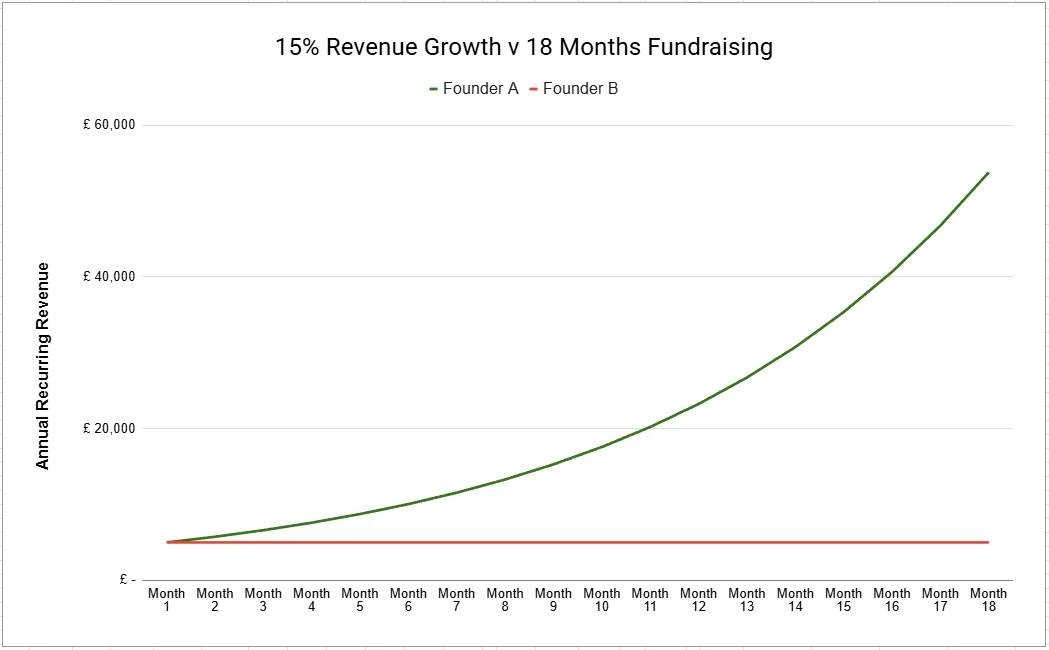
Illustrative. Founder A builds at 15% a month. Founder B spends the same 18 months raising and ends the year exactly where they started. If a simple 10X valuation is applied, Founder A's company is valued at £550,000 and Founder B's £50,000. In following a fundraising approach, Founder B's opportunity cost is: £50,000 lost revenue, £500,000 lost valuation and they are likely to be amongst the 99% that fail to raise. AND those 18 months are 18 months off the SEIS clock, gone, with a flat line to show for them. Individual results vary.
YOUR SEIS WINDOW
SEIS is what brings most UK angels to early-stage companies: it returns half of their investment as income tax relief, which is why so many of them only back companies that qualify. Your company can raise under SEIS until its trade is three years old, measured at the point the shares are issued. Every month spent on a raise that doesn't close is a month off that clock. Some founders close their company and start again purely to reset it, which tells you what it's worth.
The Race spends the same year the other way. It puts your time into revenue, so that when you raise, your traction does the work the calendar would otherwise have taken.
THE HUMAN COST
We've coached more than a thousand founders, and we've watched good ones come apart on the fundraising path: a year chasing a yes that was never coming, savings drained, confidence gone, while the work that would have changed the outcome sat untouched. The figures match what we've seen. Around 54% of founders report burnout, 75% report anxiety during an active raise, and 30% of entrepreneurs experience depression, roughly four times the rate in the general population.
The £100,000 Startup Race is the same work with a different structure: revenue built alongside a cohort doing the same thing at the same time, instead of pitching alone.
HOW THE RACE WORKS
Fifty competitive founders compete on revenue for Fifty-two weeks.
Not for your average founder.
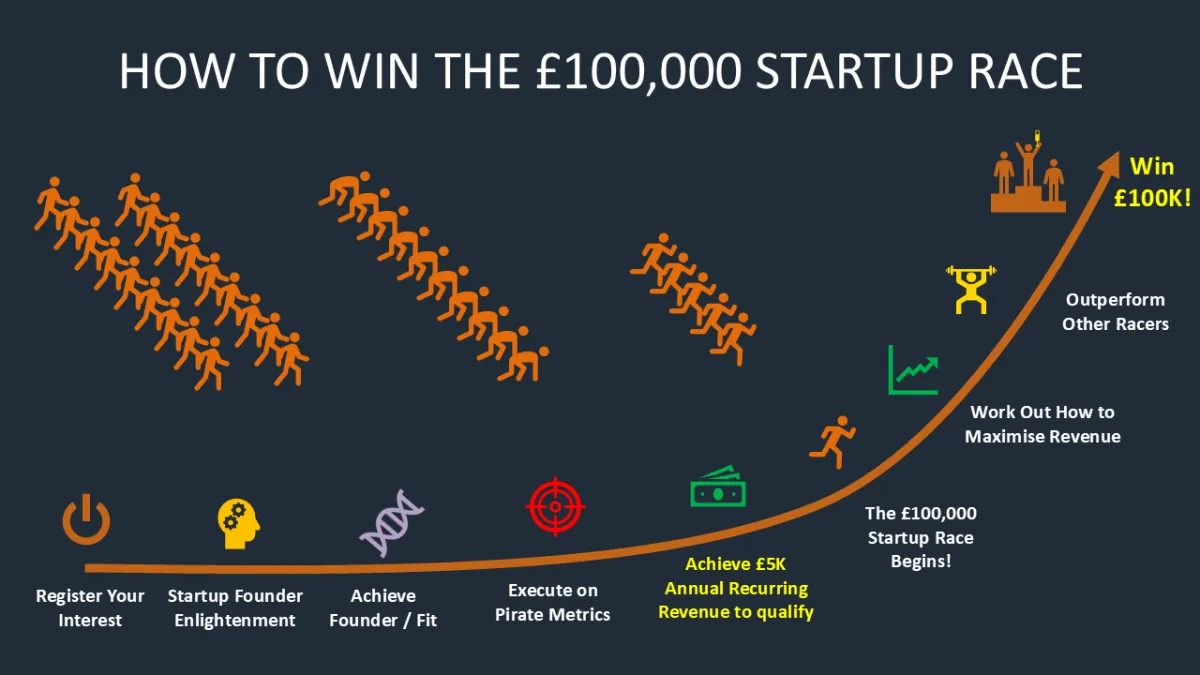
Your revenue pulled straight from Xero, QuickBooks, or Sage, never self-reported, and ranked on a public league table that updates every week.
Revenue counts the cash your customers actually pay you, net of VAT. It's the money in the bank, not invoices raised, and the rule holds for all 52 weeks. The founder who books the most over the year wins £100,000 of investment, at a valuation set at the end, which settles the Profit v Revenue dilemma.
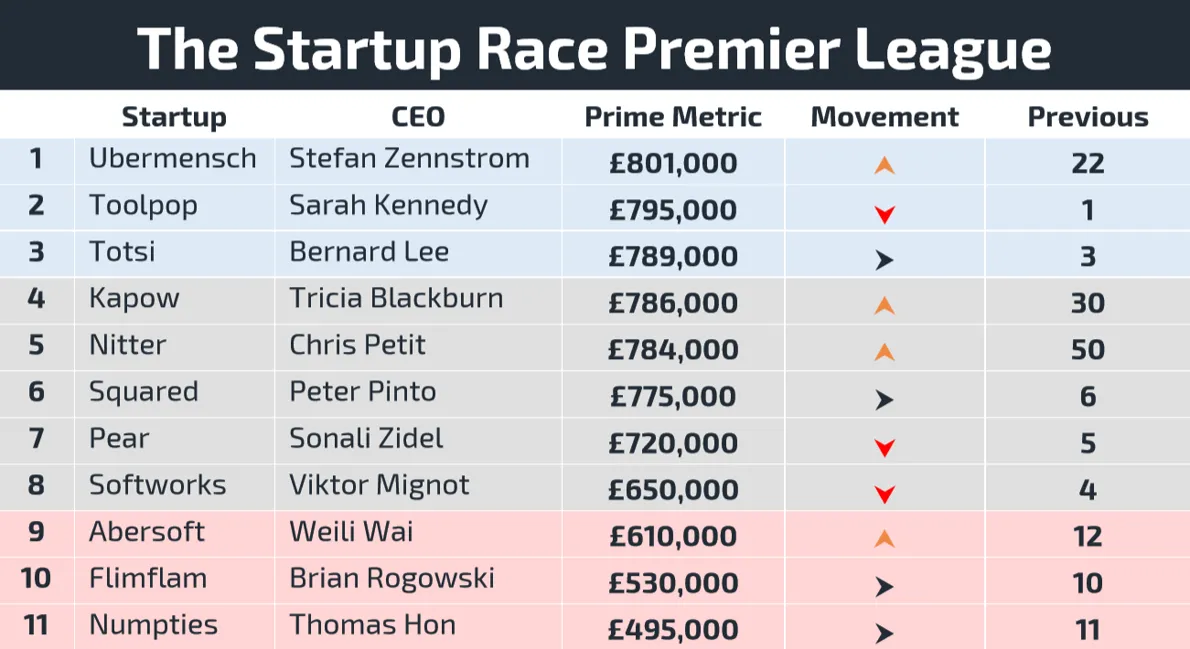
The League Table is public, with one exception: the bottom quartile stays private, so a hard month doesn't get named in front of investors while you fix it. In our private Startup Racer/Investor app, position is read on growth as well as total, so a founder at £8,000 climbing 25% a month is recognised against one sitting at £15,000 and flat. Weekly "Top Mover" recognition means the founder making the most progress is visible wherever they started. You also race inside a division of founders at your stage, where someone forty-fifth overall can sit third in their group, and the 52 weeks break into quarterly sprints, each one a fresh race anyone can win.
Taking part costs £50 a month once the Race begins, with an optional commitment deposit of £200 or £400. You get the deposit back when you finish all 52 weeks, and deposits left by founders who drop out are shared among those who complete. You pay nothing to check eligibility or register interest now.
EVERY STARTUP RACER IS PLAYING TWO GAMES
The Race runs two competitions at once, across the same 52 weeks.
The first is the revenue race: the public league table, one winner, the £100,000. It's the game most founders think they're entering.
The second is the one that motivates the other forty-nine. The Investment Readiness Constellation isn't ranked, and every racer can win it. Investors back companies they can say yes to, and a company becomes one by clearing a set of specific, evidenced things. The Race builds eight of them with you over the year, each one binary: cleared or not.
A clean cap table
IP assigned to the company
A founders' agreement with vesting
SEIS Advance Assurance
Documented customer evidence
A defensible valuation narrative
A written disclosure of your weaknesses and risks
A recorded Q&A stress test in front of real angels
Revenue is the brightest star on the table, and it stays top: the milestones never change your league position. But the table isn't what gets you funded. A founder sitting forty-fifth on revenue with all eight cleared is a company an angel can back. A founder in third with two cleared has a gap an angel will see, and on a missing dimension angels reject rather than average it out (Mason, Botelho and Zygmunt, 2017). Strength on revenue doesn't buy back an unsigned cap table.
Several of the eight are hard to get anywhere else. SEIS Advance Assurance needs a named prospective investor, which a founder at £5,000 to £10,000 ARR can rarely line up alone, and the Startup Race supplies one. The recorded stress test puts you in front of real angels. Clearing the eight raises the valuation you can defend in any raise you run afterwards, whether or not you win the revenue game.
THE GOLDEN BUZZER
The winner is decided at Week 52, but an investor doesn't have to wait that long.
Between Week 12 and Week 50, a registered investor watching the £100,000 Startup Race can make you a direct offer of more than £100,000, with your consent. The offer is theirs to make and yours to take: you can decline and stay in. If you accept and the funding completes, you leave the competition having raised more than the prize, keep your access to the portal, tools, and community as an alumnus, and the leaderboard backfills from the milestone track.
The Startup Race takes no fee and no carry on a Buzzer investment. The £100,000 Startup Race publishes what the investor watches; the decision to make an offer is the investor's own.
WHAT YOU LEAVE WITH
Every founder who finishes the year is further forward than the one who spent it raising. More revenue. Fifty-two weeks of verified figures that change how every future investment conversation starts. The execution habits the year builds. A SEIS window spent on growth rather than on an unsuccessful search. A cohort of founders who went through it with you. And, for those who clear them, the eight Constellation milestones.
Whoever books the most revenue wins, whatever their background. In a previous Startup Race, the two founders who finished first and second were both women. The table reads execution and nothing else.
Even the founder who finishes last ends the year with more revenue, more evidence, and more options than the one who spent it pitching.
AFTER WEEK 52
The year doesn't end at the finish line. In Week 51, every racer gets a Constellation audit written as an investor memo: where you stand, what you've cleared, what an angel sees when they look at you. You keep alumni access to the portal, tools, and cohort, and we check in with you every six months.
The investors who spent the year watching the Race already know your numbers. When you raise in the year that follows, that's the audience in front of you: investors who've watched a year of your actual trading and seen how you handle a bad month. The structure that keeps the cohort's fundraising visible to that network past Week 52, the graduated cohort deal flow, is still in design, and we'd rather say so than pretend it's running.
WHAT YOU GET
A decade of working out what actually moves a founder's revenue, trained with Ash Maurya and tested on real founders, built into one tool made for the Race. It runs a loop, and the loop is where the growth comes from.
It sets a five-year revenue goal. You plug in the revenue you already have, up to two years of it, then set a target three years beyond. Most planning tools start from a blank page. Yours starts from your real trading history, so the projection is anchored to what you've actually done, and you finish with the five-year picture investors ask for: two years real, three projected.
It pressure-tests whether the model can get there. A back-of-the-envelope check turns the goal into the customers, price, and conversion rate it would take to reach it. A founder aiming for £10M on a £2 margin finds out in one screen that it needs five million transactions a year, and fixes the model now, not three years in.
It maps where revenue is won and lost. The Customer Conversion Map follows how a stranger becomes a paying, returning customer, stage by stage. Treat it like an engine map: find the stage that's choking and retune that one, the way you'd remap a bike's ECU to free up power.
It shows the Learning Gap every week. Your verified revenue, pulled straight from your accounts, lands on top of your forecast line automatically. Where the two pull apart is the Learning Gap, and that gap is where founders actually learn: it points you at the stage of the Conversion Map that's behind, you adjust, and the forecast remodels around what really happened. The founders who grew their revenue many times over were running this loop.
Plus the support around it:
LivePlan business planning, with bank-feed revenue verification
The Traction App, our daily tracking tool with verified metrics
Automatic revenue verification from Xero, QuickBooks, or Sage
SEIS Advance Assurance, initiated for you, which saves the £400-plus most founders pay to arrange it
The Minimum Revenue Product, the Product Pyramid, and the target fixation Three-Hour Habit, the methods our own accelerator built
Forty-nine other founders at your exact stage
PROOF IT WORKS
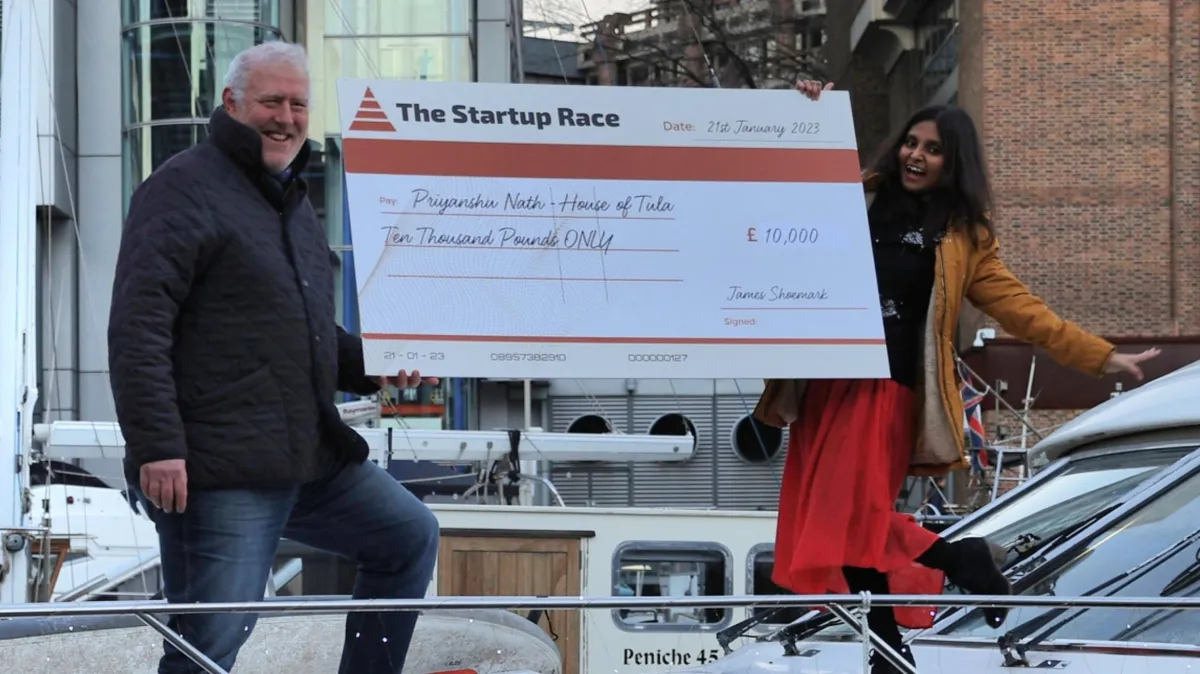
Priyanshu Nath entered a Startup Race selling journals made from recycled cotton. She ran the Minimum Revenue Product idea straight: a Kickstarter with prototypes, pre-orders banked before she paid for manufacturing. She started at £100 of revenue and grew it 44 times, and won £10,000.
Mariely Olmedo finished second in the same Race. "Second" meant a feature in an international fashion magazine, offers from investors who'd been watching, and a business with momentum she couldn't have built alone. She grew her revenue 17 times.
These are revenue multiples during a competition, not investment returns, and the methodology is built to make founders less likely to fail, not certain to succeed. Both founders are still trading.
THIS IS FOR YOU IF
You're at £5,000 to £10,000 ARR and you already suspect that chasing investors right now is the wrong move
You do your best work when someone's keeping score
You'd rather spend 52 weeks building than 52 weeks pitching
You want structure and stakes
You're ready to have your revenue ranked in public every week
It isn't the right fit if you'd rather build quietly until the product is perfect, or if you're confident the right deck is the thing that's missing. Both are reasonable. The Race just isn't built for them.
WHO WE ARE
We've sat where you're sitting. We've pitched investors who smiled and never called back, and watched savings drain waiting for a yes. We've also found customers who paid, and felt the point where revenue starts to compound.
Now we invest. We've put our own money into seven companies since 2014, none of them off a pitch. Every one because we watched them build over months and saw the traction for ourselves.
The Startup Race exists because we got tired of watching good founders wear themselves out on a path that was never going to work, and because we wished it had existed for us.
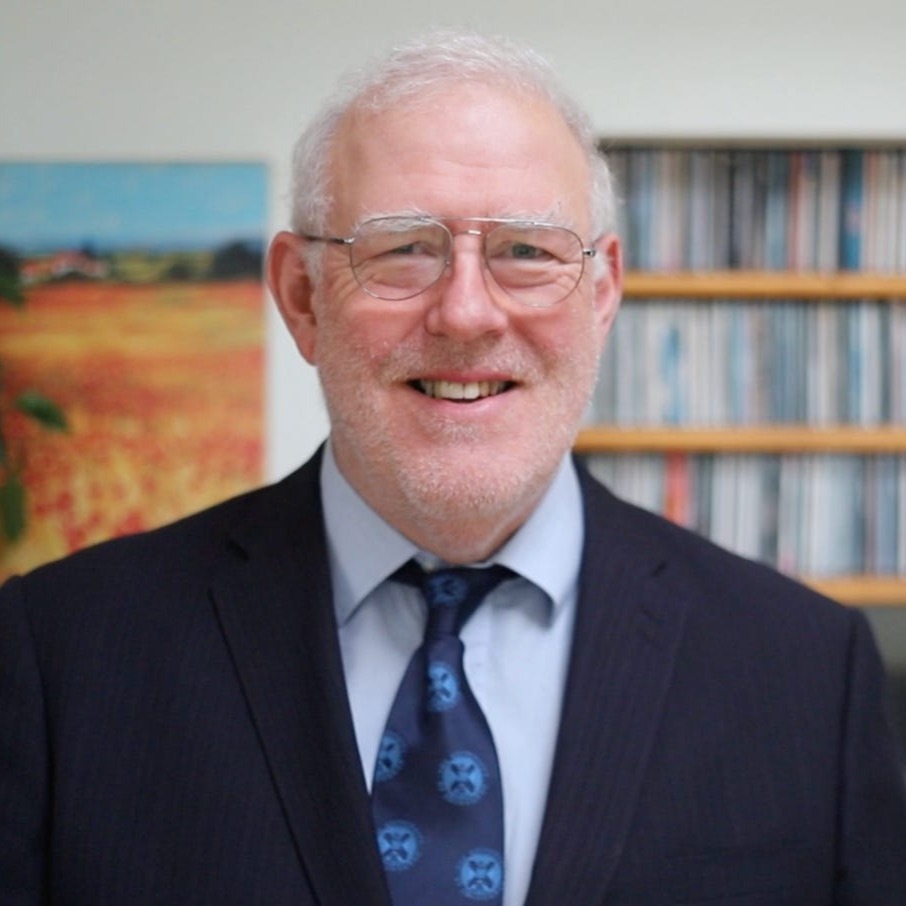
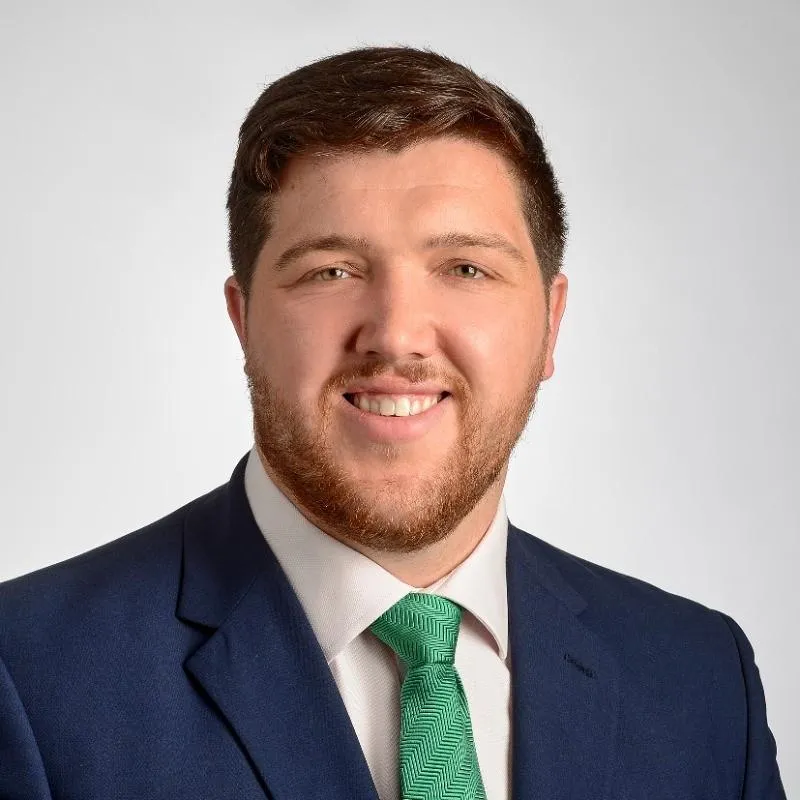
James Shoemark, Michael Clouser and Dan Drummond. Serial founders. Now investors. Still founders at heart.

CHECK YOUR ELIGIBILITY AND REGISTER YOUR INTEREST
The next cohort is the £100,000 Startup Race, beginning in the summer of 2026. The competition starts once the £100,000 prize is secured through the Race Syndicate, and the founders who've registered their interest are the first told when entry opens.
Checking your eligibility is free, takes two minutes, and asks for no equity or IP.
What happens next. If you qualify, we send you the full Race Rules to read well before the competition starts, with no obligation. You register your interest, and we notify you first the moment entry opens. Nothing is due until you've seen the rules and decided the Race is right for you. We hold the first Startup Race to fifty founders, and may open more places if demand runs past that.
Questions? Book a 15-minute call with James: https://link.magicmrm.com/widget/bookings/racer-15-mins
NOT AT £5,000 ARR YET?
If you're building toward £5,000 ARR and want to qualify for the next Startup Race, the Startup Race Preparation Programme gets you there. It's the methodology and tools, at your own pace, until you're ready to enter.
FOR INVESTORS
Watching the £100,000 Startup Race, or thinking about backing it? The Investment Prize Provider syndicate brief is here:
The Startup Race Ltd. Registered in Scotland, company number SC536976.
Registered office: Orchard Brae House, 30 Queensferry Road, Edinburgh, EH4 2HS.
© Copyright The Startup Race 2026 | Finding Neo's Since 2016